
College Golf Pathway · Wilmington, NC
College Golf Recruiting & Elite Player Development
Build the game, tournament record, and recruiting plan college coaches can evaluate—with a PGA coach who has guided elite juniors, collegiate players, and Tour winners.
A complete pathway—not a highlight reel
Talent opens the conversation. Preparation creates options.
College golf recruiting is a multi-year process. Scores matter, but so do tournament choices, academics, communication, fit, timing, and whether a player is continuing to improve.
Coastal helps families replace guesswork with a realistic plan. The work begins with an honest player assessment, then connects technical development, purposeful practice, competitive scheduling, and recruiting guidance around the individual golfer.
Game readiness
Build a repeatable swing, dependable short game, putting skill, course management, and the ability to score under pressure.
Competitive record
Choose events with purpose, track results and trends, and create evidence that reflects the player’s current level.
Academic alignment
Keep grades, eligibility steps, school preferences, and affordability in the same conversation as golf.
Coach communication
Prepare a concise profile, swing and playing video, outreach plan, follow-up rhythm, and questions worth asking.
The right fit
Evaluate level, roster opportunity, coaching style, school culture, academics, geography, and the total financial picture.
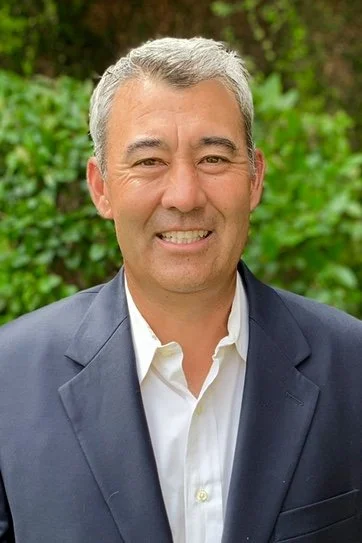
 Quarter-century PGA member
Your pathway lead
Steve Dahlby has coached the level your player is chasing.
Steve began his teaching career with the Golf Digest Schools in 1992 and became the first Director of Instruction at Troon North Golf Club. Since 2005, he has worked as a PGA Tour teaching professional with players including Troy Merritt, Sean O’Hair, Kyle Stanley, Steve Allan, Martin Laird, and Carin Koch.
His junior résumé includes two AJGA Players of the Year, a Sports Illustrated National High School Player of the Year, an Arizona High School Player of the Year, and an IMG Junior World champion. All progressed to major Division I programs.
Two disciplines. One coordinated plan.
Develop the player and manage the process.
A recruiting plan cannot rescue a game that is not ready. Great instruction alone cannot organize school fit, outreach, eligibility, and decisions. Coastal connects both.
Elite Player Development
Train for the level you want to reach.
Player-specific coaching for competitive juniors, college golfers, elite amateurs, and aspiring professionals.
- Technical evaluation across full swing, short game, and putting
- Weekly lessons and player-specific drills
- Structured practice built around quality over quantity
- On-course decisions, routines, and statistical review
- Tournament schedule and between-event development plan
- Physical preparation recommendations appropriate to the player
- Remote swing review and check-ins when Steve is traveling
College Recruitment Advisory
Turn ambition into a credible recruiting strategy.
Clear, candid guidance for players and parents navigating NCAA, NAIA, and junior-college opportunities.
- Player level, timeline, and recruiting-readiness assessment
- School list built around golf, academics, culture, and fit
- Golf résumé, video, tournament record, and profile guidance
- Coach outreach preparation and player communication coaching
- Question lists for calls, visits, and program evaluation
- Eligibility and recruiting milestone reminders
- Offer, roster, and total-cost conversations grounded in reality
Who this is for
Built for serious players—not just serious intentions.
The strongest fit is a golfer and family ready to hear an honest assessment, train between sessions, communicate professionally, and make choices based on development rather than a logo alone.
Check Your Player’s FitThe Coastal process
A clear path from assessment to decision.
Every player begins in a different place. The sequence stays simple enough for families to understand and specific enough to drive real work.
Assess
Review the player’s game, scoring, tournament history, academics, goals, and current recruiting activity.
Build
Create a development plan, competitive schedule, practice structure, and measurable priorities.
Position
Develop the player profile, target list, video, outreach strategy, and communication habits.
Decide
Evaluate interest, visits, roster opportunity, academics, coaching fit, finances, and long-term growth.
A national placement history
Players Steve has guided have continued across the college-golf landscape.
This breadth matters. The best opportunity is not automatically the biggest logo. It is the program where the player can contribute, develop, succeed academically, and thrive as a person.
 UNC Wilmington
 Furman
 Georgia State
 Purdue
 South Mountain CC
 Nebraska
 Kansas State
 Texas Tech
 Arizona State
 Phoenix College
 Winona State
- Concordia University
 Southern University
 LSU
LSU Wisconsin
 UW–Eau Claire
 UW–Stout
 UW–La Crosse
 Northern Illinois
 Illinois
 Florida
 Tulane
 NYU
NYU Wake Forest
 Fordham
 Princeton
 Duke
Duke Washington
 Washington State
 Seattle University
 Oregon State
 UCLA
UCLA Loyola Marymount
 USC
USC UC Santa Barbara
 University of San Diego
 Sonoma State
 Pepperdine
 Boise State
 Oklahoma
 Weber State
 Colorado School of Mines
 Colorado State
 Colorado
 DePaul
 UNLV
UNLV Arizona
 Ottawa University
 Grand Canyon
 New Mexico
 New Mexico State
 North Dakota State
 Scottsdale CC
School names and marks identify programs represented in Steve Dahlby’s reported player-development and placement history. Coastal Golf Academy is independent and is not affiliated with, sponsored by, or endorsed by these institutions.
Start from where your player is now
The work changes as graduation gets closer.
Rules and timelines vary by division, sport, and grade. The plan should stay current—and players should take increasing ownership as they mature.
A better scholarship conversation
Do not chase a promise. Build the strongest total opportunity.
Athletic aid is only one part of college affordability. Academic awards, need-based aid, institutional grants, roster status, and the full cost of attendance all matter. Coastal helps families ask better questions and compare complete options.
What Coastal does—and does not—promise
We help players improve, organize credible evidence, understand pathways, communicate professionally, and evaluate fit. We do not guarantee admission, eligibility, financial aid, a roster position, or a scholarship. Those decisions belong to schools, coaches, governing bodies, and families.
Parent questions
Start with honest answers.
College recruiting changes quickly. Coastal provides practical guidance while directing eligibility and rule questions to the appropriate official resources.
When should a golfer begin preparing for college recruiting?
Player development can begin well before recruiting contact. By ninth and tenth grade, families should understand academic eligibility, track competition, and begin learning what different programs require. The NCAA notes that parents often lead early while students should increasingly own communication in eleventh and twelfth grade.
Does my player need to be a scratch golfer?
No single scoring number fits every college level or program. Current performance, tournament context, improvement trend, academics, character, roster needs, and program fit all matter. The pathway review helps establish realistic options and the work required to expand them.
Can Coastal guarantee a college roster spot or scholarship?
No. Coastal cannot guarantee recruitment, admission, eligibility, aid, or a roster position. We can help your player become more prepared, more recruitable, and more capable of evaluating an opportunity.
What college pathways do you consider?
We consider NCAA Division I, II, and III, NAIA, and junior-college programs based on the player’s game, academics, preferences, budget, and development goals. No single pathway is automatically best for every player.
How does Steve work with Wilmington players?
Steve travels to Wilmington for in-person coaching and provides remote instruction, planning, and counsel between visits. The exact cadence is set after the pathway review and depends on the player’s needs and Steve’s current availability.
Where can we confirm current recruiting and eligibility rules?
Use the NCAA Eligibility Center recruiting guidance and NAIA prospective student resources. College coaches and school compliance offices control their program-specific processes.
The first step is clarity
Request a College Pathway Review.
Tell us where your player is now and where they hope to go. A Coastal coach will review the information, identify the right next conversation, and determine whether elite development, recruiting advisory, or the combined pathway is the strongest fit.